
Screw Sort Puzzle: Pin Jam 3D
Astrasen GlobalPuzzle
4.82.46K Reviews
- Version
- 1.590
- Installs
- 10.00M
- Age Rating
- Everyone
Screenshots
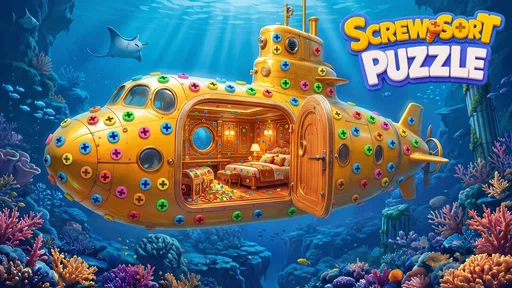
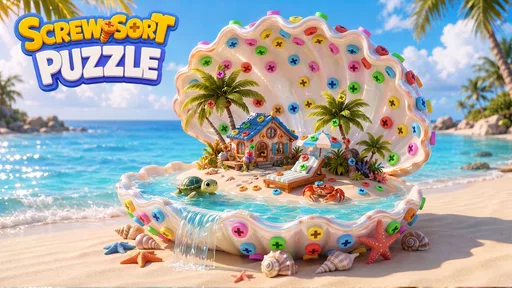
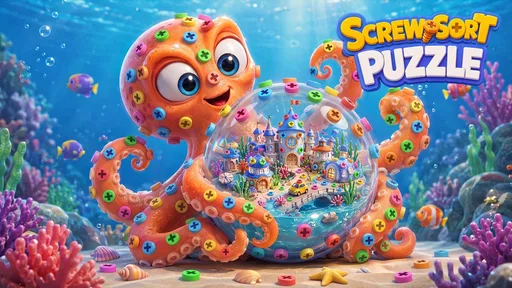
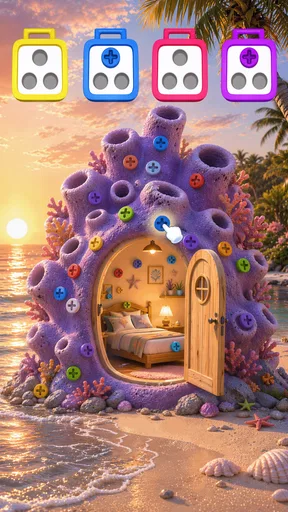
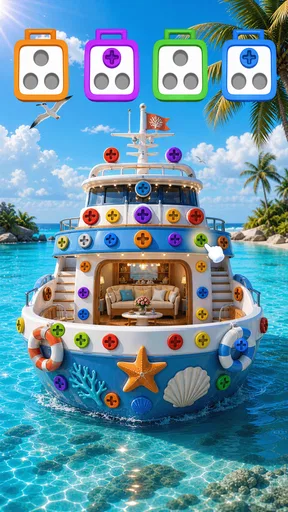
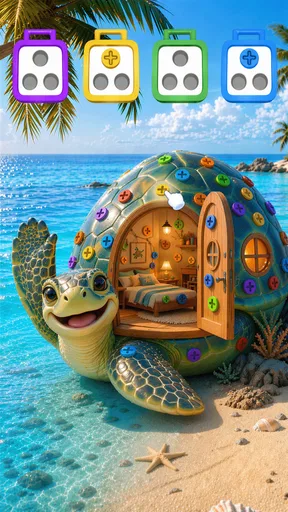
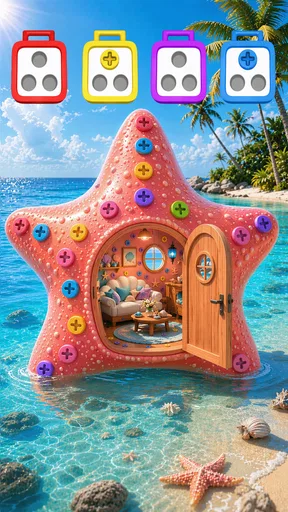
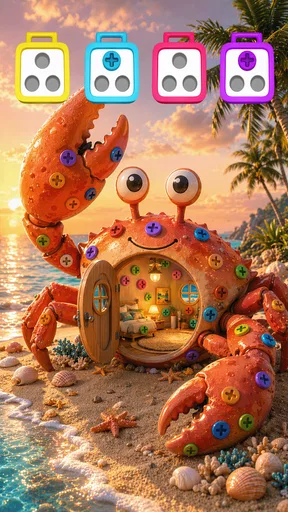
Our Review of Screw Sort Puzzle: Pin Jam 3D
 Analysis by Appyee
I tend to enjoy puzzle games that explain themselves quickly, then give me just enough to think about before I put my phone down. Screw Sort Puzzle: Pin Jam 3D has that immediate appeal: the board is easy to read, the goal is clear, and moving pieces gives each small decision a satisfying sense of consequence. It is a casual puzzle game, but it works best when I treat it as a sequence of short problems rather than a sprawling campaign.
A quick start, with a real decision underneath
The first few moments are easy to understand: look at the screws, identify a useful move, and try to sort them into matching pins. The simplicity is welcome when I only have a little time. I do not need to learn a complicated rule set before the puzzle becomes interesting; the challenge comes from noticing how one move affects the options that remain.
That makes the game a natural fit for a short break between tasks, a quiet wait, or a few minutes before bed. A realistic way to play is to finish one puzzle while waiting for a drink or for someone to arrive, then stop rather than turning a spare moment into an unplanned long session. The board gives me a clear focus without asking for the sort of sustained attention I would expect from a larger strategy game.
A puzzle built around small, satisfying choices
At first glance, Screw Sort Puzzle: Pin Jam 3D might seem like just another puzzle game, but trust me, it's got a unique vibe. The game cleverly combines elements of strategy and logic, asking you to sort colorful screws into their matching pins. It sounds simple, right? But don't be fooled. As you progress, the levels become more intricate, requiring careful planning and a touch of ingenuity.
The Gameplay Mechanics
Diving into the game, you're greeted with a vibrant 3D interface that makes sorting screws surprisingly satisfying. You start with a few pins and screws, and your job is to match them by color. The catch is, the screws are stacked, and you can only move the top screw on each pin. This creates a delightful challenge where you need to think a few steps ahead. It's like chess, but with screws!
The most useful habit I have developed is to pause before the first move and scan the full arrangement. Since only the top screw can be moved, an attractive match is not always the best opening: moving it may expose a piece that blocks another color or leave me with fewer useful choices. I try to identify which top pieces are acting as gates, then decide which move unlocks more options rather than simply making the neatest match.
When the board starts to feel crowded, I find it helps to think in terms of available space as well as color. A move can be valuable because it clears access, even if it does not immediately finish a group. That small shift in approach makes the puzzles feel less like trial and error and more like planning. If I do make a move that closes off the route I wanted, I treat it as information about the board instead of tapping randomly at every screw.
The game ramps up in difficulty at a perfect pace. Initially, you might breeze through the first few levels, but soon enough, you'll find yourself pondering your next move, wondering which screw to move first. It’s this increasing challenge that keeps the game fresh and engaging.
Short sessions, with room to pause
The basic interactions are simple enough that I can play without settling in for a long session. That is useful, but it does not mean every level is equally suited to interruption. If I am halfway through a puzzle that needs a few moves of careful ordering, stopping at an obvious pause point is wiser than leaving it at the moment when I am juggling several possible sequences.
When I return, I take a second to reread the board before touching anything. The visible arrangement is the puzzle, so a quick scan helps me recover the plan instead of relying on a hazy memory of what I intended. This is a practical advantage over games that depend on remembering a long chain of actions or a story beat: I can reorient myself by looking at the pieces and the open choices.
For a commute or a brief wait, I would choose a level when I am comfortable with the possibility of having to stop in the middle. If I only have a moment, I would rather make one deliberate move and pause than rush through several and create a mess I then have to untangle. The game rewards attention more than speed, so there is little reason to treat a short session like a race.
Difficulty, recovery, and the value of a hint
The increasing complexity is part of the appeal, though it also sets a limit on who will enjoy the game. If you want a puzzle that can be solved automatically while your attention is elsewhere, the need to plan top-screw moves may become frustrating. I get more from it when I give the board a little focus, especially once a level has several colors and a move can change what is accessible next.
When I reach a point where I cannot see a productive route, the hint system can help me get unstuck. I would use a hint after checking the board for blocked pieces and considering whether a move can open access, not as my first response to a tricky layout. That keeps the decision-making satisfying and makes the assistance feel like a nudge rather than a substitute for playing.
The hints are limited, so I would save them for a genuine dead end or for a moment when I want to keep a short play session moving. If I am relaxed and have time, stepping away and returning with fresh eyes is a reasonable alternative. A break can be more useful than spending a hint on a move I might spot after reconsidering the arrangement.
Graphics and Sound
Visually, the game is a treat. The 3D graphics are crisp, and the colors are vibrant without being overwhelming. There's a satisfying clink sound when you drop a screw into place, adding a layer of tactile pleasure to the experience. The background music is mellow and unobtrusive, allowing you to focus on the task at hand without any distractions.
The presentation supports quick recognition, which matters more here than elaborate visual spectacle. I can focus on the colored pieces and the way they are stacked rather than deciphering a busy screen. The sound adds a little feedback to each placement, though the puzzle remains understandable through its visual arrangement; I would not choose this game for its music or atmosphere alone.
User Experience
One thing I really appreciate about Screw Sort Puzzle: Pin Jam 3D is its intuitive user interface. The controls are straightforward, with simple tap and drag mechanics that make it accessible to players of all ages. The game doesn’t bombard you with ads, which is a huge plus in my book. Instead, it offers a smooth, uninterrupted gaming experience.
There is a difference between a game being easy to operate and a puzzle being easy to solve. The direct controls lower the barrier to starting, while the stacking rule provides the mental work. That balance is likely to suit casual players who want a clear objective but still enjoy weighing options. Younger players and adults can both understand the central idea, though patience with planning will matter more than age.
The game is free to download, and it is rated for Everyone. It is made by Astrasen Global, has a 4.8 average from around 96,000 ratings, and has passed 5 million installs. I see that reach as a useful sign that the straightforward screw-sorting idea has broad appeal, not as a guarantee that every player will enjoy the later puzzles. In-app purchases are available, with individual items priced from $0.99 to $99.99, so anyone who prefers to avoid spending should check purchase prompts carefully and stick to the free experience if that suits them.
On Android, the listed minimum requirement is version 6.0, and the current version is 1.470. Those details make it easier to judge whether it is likely to run on an older device, but the practical question is whether the screen is comfortable for you to inspect. Because the puzzle depends on recognizing colors and which screws are on top, a very small display or a screen viewed in bright outdoor light may make careful planning less pleasant.
How it compares with other casual puzzles
Compared with a word puzzle, this one asks for visual sorting rather than vocabulary recall. Compared with a match-style game, it puts more weight on order and access: making a color match is not the whole job if that choice leaves another screw trapped underneath. I would pick it when I want a compact logic problem with a tangible board, and choose a word or number puzzle instead when I want to exercise recall or solve something without tracking a layered arrangement.
It also differs from larger strategy games because the decisions stay local. I am not managing a long campaign or building a complicated system; I am reading one arrangement and working out a sequence. That makes it easier to fit into ordinary gaps in the day, but it also means players looking for story, character progression, or a strong sense of changing worlds may find the experience too narrow.
A useful trade-off is that the same clear format that makes the game approachable can make repeated play feel familiar. The pleasure comes from solving the current layout, not from a rich setting that keeps changing around it. If you like improving your approach to a recognizable puzzle, that focus is a strength. If variety of mechanics is what keeps you engaged, you may prefer a puzzle collection that regularly switches between different kinds of tasks.
Repetition and replay value
What makes this game a keeper is its replayability. Even after completing a level, you'll often find yourself thinking, "I could do that better," which encourages you to retry and improve your strategy. Each level feels like a new puzzle to solve, keeping the game from becoming repetitive.
There are also daily challenges that add a competitive edge, allowing you to pit your skills against players worldwide. It's a great way to test your mettle and see how you stack up against other puzzle enthusiasts.
For me, replay value depends on whether I enjoy refining a solution. Returning to a board with a different first move can make a familiar layout feel newly demanding, but it is still the same core activity: inspect, plan, move, and reassess. I would not expect every session to feel dramatically different. The game is better for a person who enjoys small improvements than for someone who needs a constant stream of new mechanics to stay interested.
That makes it a decent routine game: I can return to it for a few minutes without needing to remember a complicated setup or rebuild a strategy from scratch. On the other hand, if I have already played several similar sorting puzzles in a row, the core loop can start to blur. Taking a break or alternating it with a different kind of puzzle is a sensible way to keep the simple pleasure from turning into repetitive tapping.
Who will enjoy it, and who may want something else
I would recommend it to someone who likes tidy visual problems, prefers rules that are clear from the start, and enjoys thinking a few moves ahead without committing to a long play session. It can work especially well as a small screen break when you want something more involving than scrolling but less demanding than a full-length strategy game.
I would be less likely to recommend it to someone who dislikes being blocked by a move they made earlier, wants a puzzle that requires no concentration, or expects every level to introduce a completely new mechanic. The top-only movement rule is the source of much of the strategy, but it is also the main source of friction. If that constraint feels more irritating than satisfying, another casual game with looser matching rules would probably be a better fit.
My everyday approach would be to play when I can spare a few minutes of attention, scan the whole board before committing, and save hints for the moments when I have genuinely run out of ideas. If I am tired or distracted, I would choose something less dependent on tracking piece order. That is not a flaw so much as a useful distinction: this game is light in presentation, but it still expects me to think.
Final Thoughts
All in all, Screw Sort Puzzle: Pin Jam 3D is a delightful addition to the puzzle genre. It’s the kind of game you can pick up for a quick five-minute session or get lost in for hours. Its clever design and engaging gameplay make it a must-try for anyone looking to sharpen their problem-solving skills.
So, if you're up for a challenge and love a good brain workout, give Screw Sort Puzzle: Pin Jam 3D a go. You'll be pleasantly surprised at how addictive sorting screws can be!
Verdict
Strengths of Screw Sort Puzzle: Pin Jam 3D
- Engaging 3D puzzle challenges.
- Simple and intuitive controls.
- Visually appealing graphics.
- Regular updates with new levels.
- No intrusive ads during gameplay.
Limitations of Screw Sort Puzzle: Pin Jam 3D
- Limited hints available for free.
- Occasional lag on older devices.
- In-app purchases can be pricey.
- Requires internet for some features.
- Music can become repetitive.
Other Releases by Astrasen Global
View All


Similar Picks in This Category
View All
Block Blast!
HungryStudio4.8

Braindom: Brain Games Test
Lahana Game Studio4.6

AMAZE!
CrazyLabs LTD4.6

Sudoku - Classic Sudoku Puzzle
Oakever Games4.7

Art Puzzle - Puzzle Games
Easybrain4.8

Amaze GO!
Oakever Games4.9
Frequently Asked Questions
What is Screw Sort Puzzle: Pin Jam 3D about?
Screw Sort Puzzle: Pin Jam 3D is a challenging and engaging puzzle game where players must sort colorful screws by moving them into the correct slots using pins. The game requires strategic thinking and planning as you navigate through increasingly complex levels. It’s perfect for anyone who enjoys brain teasers and logic puzzles.
Is Screw Sort Puzzle: Pin Jam 3D free to play?
Yes, Screw Sort Puzzle: Pin Jam 3D is free to download and play on both Android and iOS devices. However, the game does offer in-app purchases for additional features or to remove ads. These purchases are optional and not necessary to enjoy the full game experience.
What are the system requirements for Screw Sort Puzzle: Pin Jam 3D?
For Android devices, Screw Sort Puzzle: Pin Jam 3D typically requires Android version 5.0 or higher. For iOS devices, it usually requires iOS 10.0 or later. It’s always a good idea to check the app store listing for the most up-to-date system requirements before downloading.
Does Screw Sort Puzzle: Pin Jam 3D have an offline mode?
Yes, Screw Sort Puzzle: Pin Jam 3D can be played offline, making it a great option for on-the-go gaming without the need for a constant internet connection. This feature allows you to enjoy the game anywhere, whether you’re commuting or in an area with limited connectivity.
How does Screw Sort Puzzle: Pin Jam 3D handle user data and privacy?
Screw Sort Puzzle: Pin Jam 3D takes user privacy seriously. The game typically collects minimal data necessary for functionality and improvement. It's important to review the app's privacy policy on the app store page to understand what data is collected and how it is used. Always ensure you are comfortable with the terms before downloading.
Play our best games!


